Most questions from overseas customers come down to four things: why insulated ducts sweat, how to choose between R4.2 and R6.0, whether a duct should breathe at all, and how much energy the insulation really saves. Each article ties back to something you can verify on site.
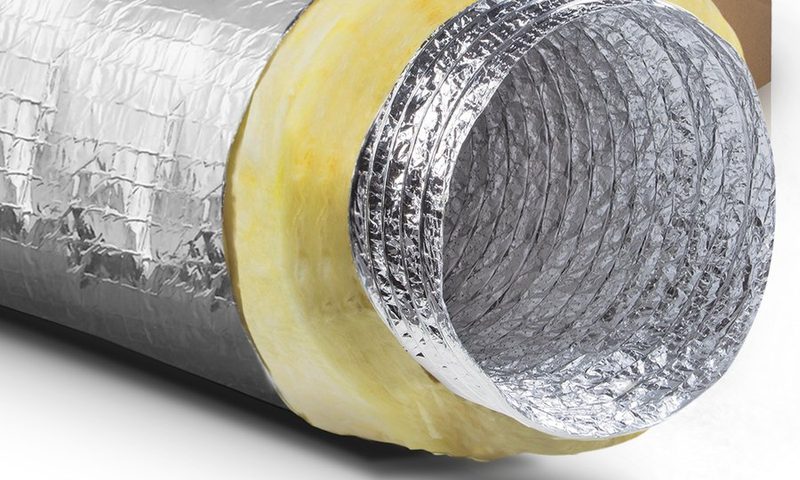
Cold duct wall plus humid air equals water. Understand the three conditions and you will know whether to add insulation or fix the joints.
Read article →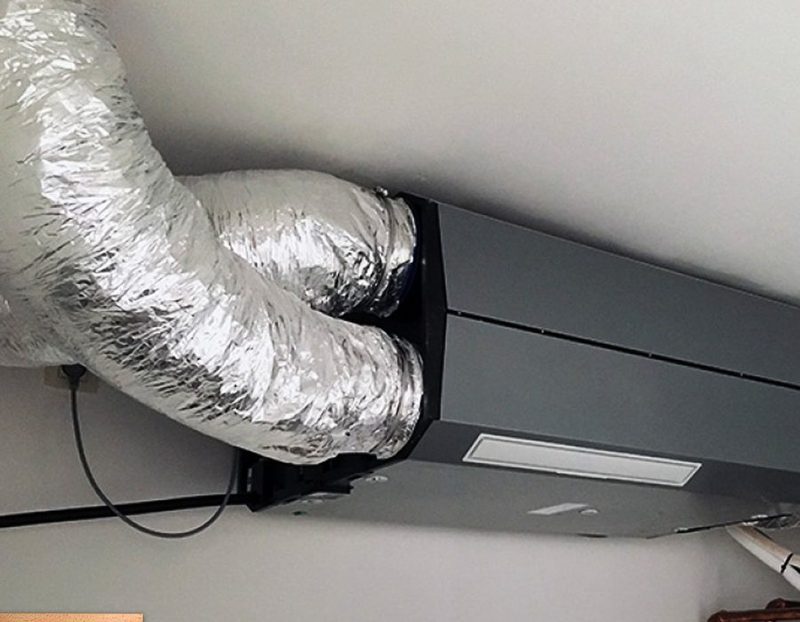
Tighter is not always better. Air-tightness and breathability must balance — if moisture cannot escape, the insulation fails first and cooling performance follows.
Read article →R4.2 is the default for most projects. But default does not mean one-size-fits-all — it has clear limits.
Read article →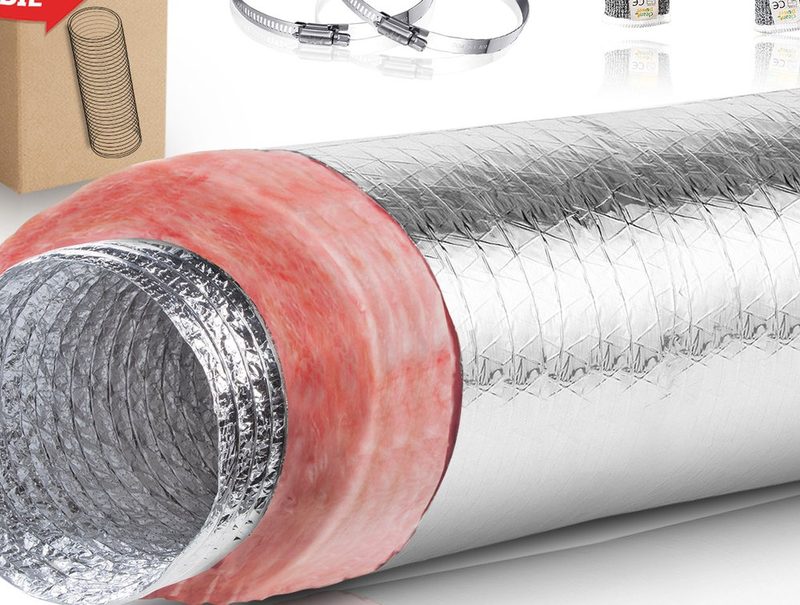
Going from R4.2 to R6 takes insulation from about 25 mm to 38 mm. Those extra 13 mm buy one thing: no temperature drop over long runs.
Read article →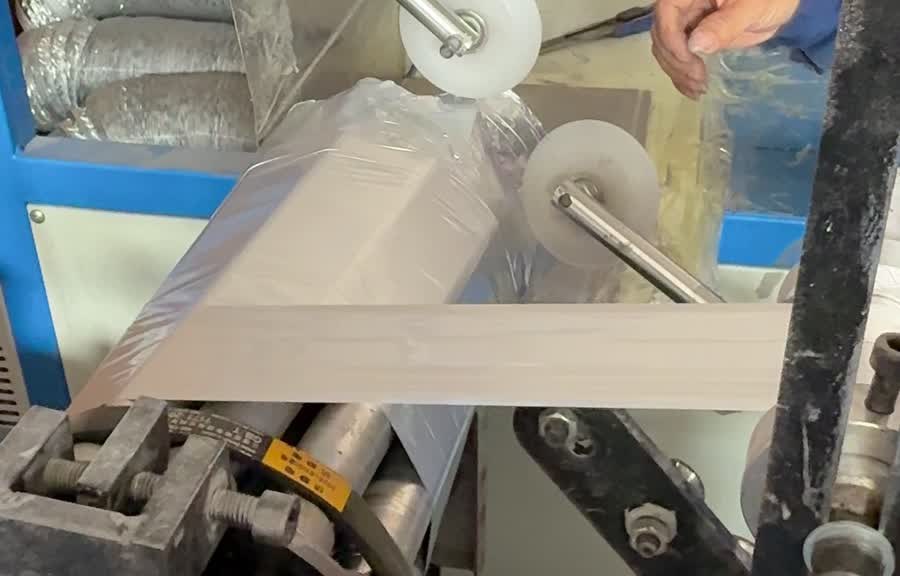
Cooling loss and condensation are two hidden energy costs. Get the insulation right and both unit load and dehumidification come down together.
Read article →