What R6.0 actually adds to comfort
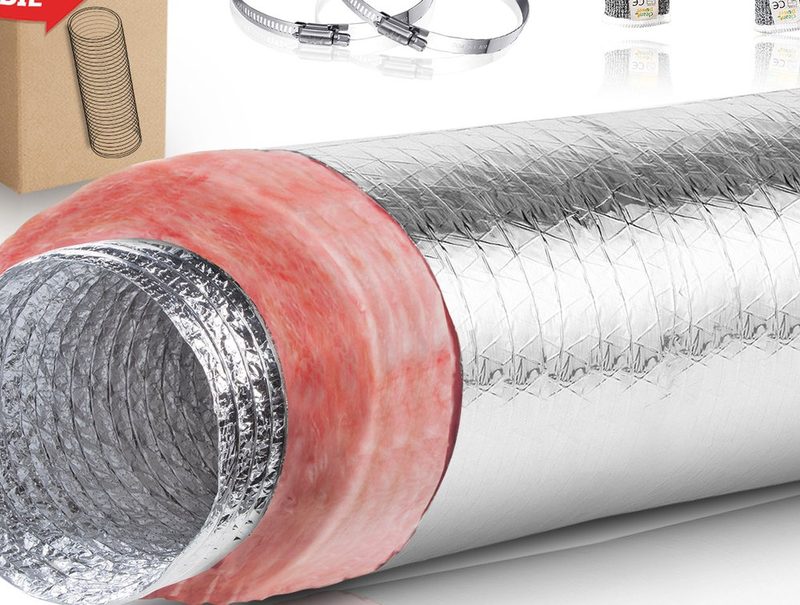
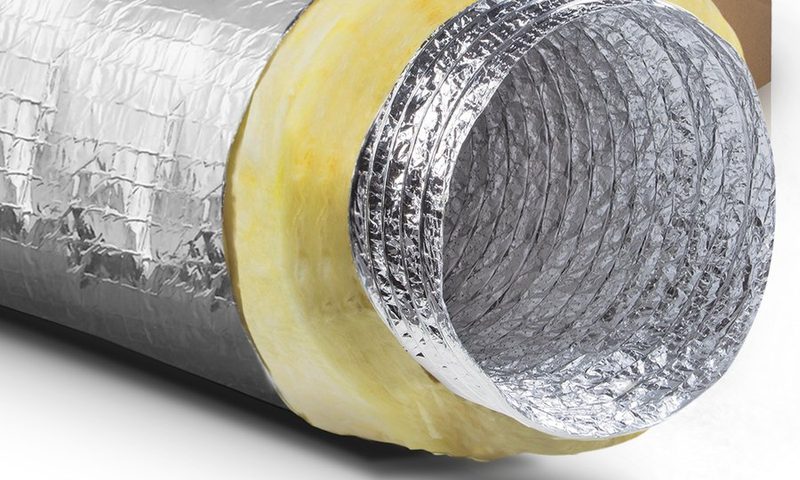
Going from R4.2 to R6 takes insulation from about 25 mm to 38 mm. Those extra 13 mm buy one thing: no temperature drop over long runs.
Three things the extra thickness buys
First,A cooler outer surface, there is more margin against condensation; second,Less gain along the run, terminal air temperature sits closer to the unit setpoint; third,Lower unit load, because the cooling is not lost along the way.
When R6 is not optional
① Mains longer than 15 m; ② runs through unconditioned space (attics, roofs, equipment floors); ③ humid regions with a high dew point; ④ the client or design institute specifies R6 or above. Hit any one of these and do not save on this grade.
Comfort is something you feel, not a number
A 1–2 °C difference at the terminal is the difference between cold enough and not in a hotel room, or between stuffy and comfortable in a meeting room. Problems of feel are hard to fix afterwards by adjusting airflow — they have to be settled at selection.
How to work out the cost
R6 costs more than R4.2, but the total picture has two ends: unit energy and rework cost. On a mid-sized project, one round of fixing condensation in the ceiling void usually costs more than the material difference.
Our recommendation
R4.2 on branches and terminals, R6 on mains and long runs, R8 on roofs and exposed sections. Mixing grades within one building is the most common practice in the trade, and the most economical.