Where does R4.2 insulated duct work best?
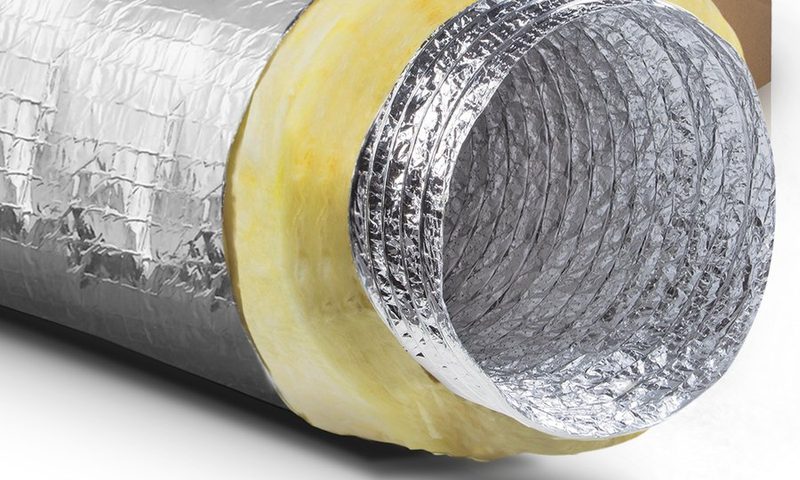
R4.2 is the default for most projects. But default does not mean one-size-fits-all — it has clear limits.
Start with the problem it solves
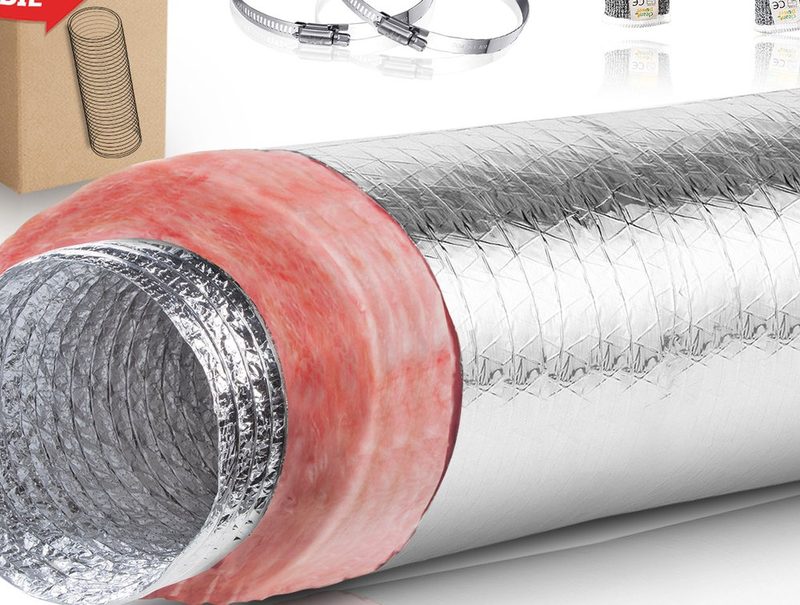
R4.2 carries about 25 mm of insulation. What it guards against isWall condensation: when supply air inside the duct falls below room dew point, water beads on the outer wall. At standard indoor conditions (around 26 °C / 60% RH), 25 mm keeps the surface above dew point — which is why it became the default.
Where it fits
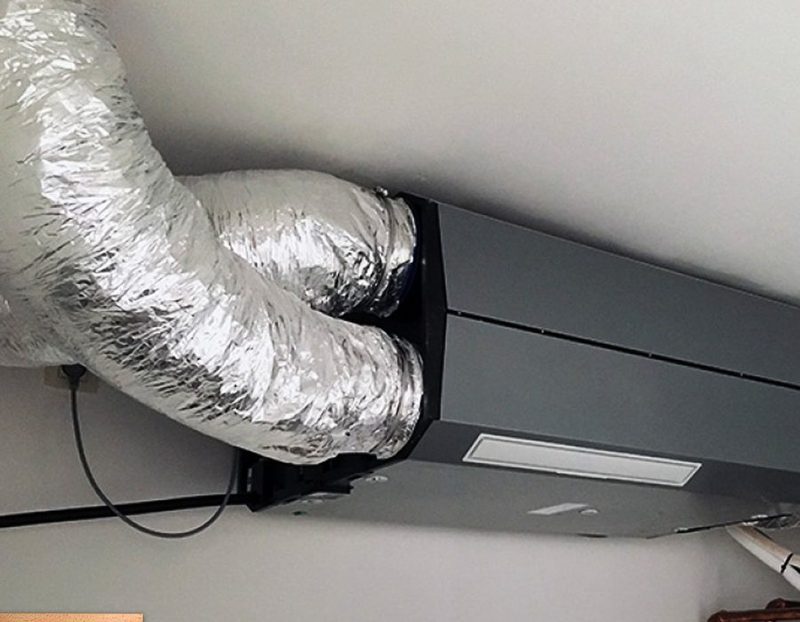
① Branches and terminals in hotel rooms and apartments; ② standard supply in offices and shops; ③ air-conditioned indoor spaces above ceilings; ④ short runs with few elbows. Small temperature difference, short distance — R4.2 is enough and the most economical.
Where it does not fit
① Long mains (over 15–20 m), where the gain along the run is obvious; ② exposed runs in hot, humid regions (Southeast Asia, the Middle East); ③ runs through unconditioned attics or roofs; ④ low-temperature lines such as refrigerant pipe. In these cases go straight to R6 or R8.
How to judge quickly
A practical rule of thumb:Temperature difference × distance. Small indoor-outdoor differential and a short run: R4.2. Wide differential or long distance: go one grade up. If unsure, send us the conditions and we will run the heat-loss numbers rather than have you guess.
Pairing advice
R4.2 comes in 10 m rolls, cut on site as needed, with as few joints as possible. Press foil tape at every joint and leave enough bend radius at elbows so the jacket does not crease.