Three R-value grades plus one uninsulated ventilation duct. Pick by temperature difference and distance, not by price — get it wrong and you either fight condensation or waste money.
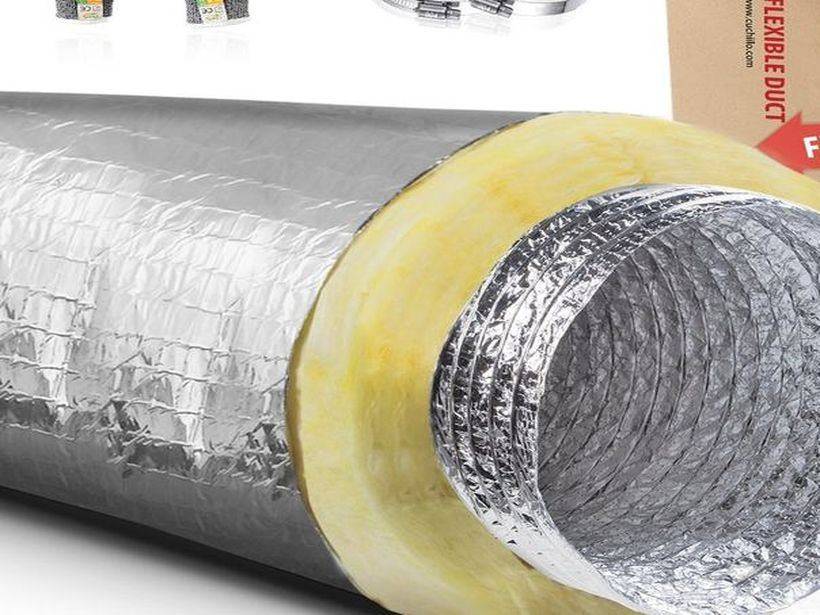
The default for standard branches: 25 mm insulation, enough against condensation, best cost.
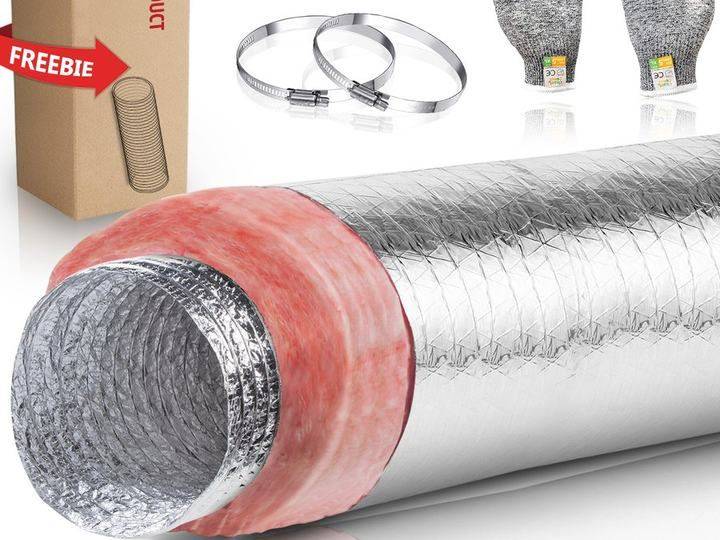
Long runs and wide temperature spans: 38 mm insulation keeps terminal air temperature closer to the unit setpoint.
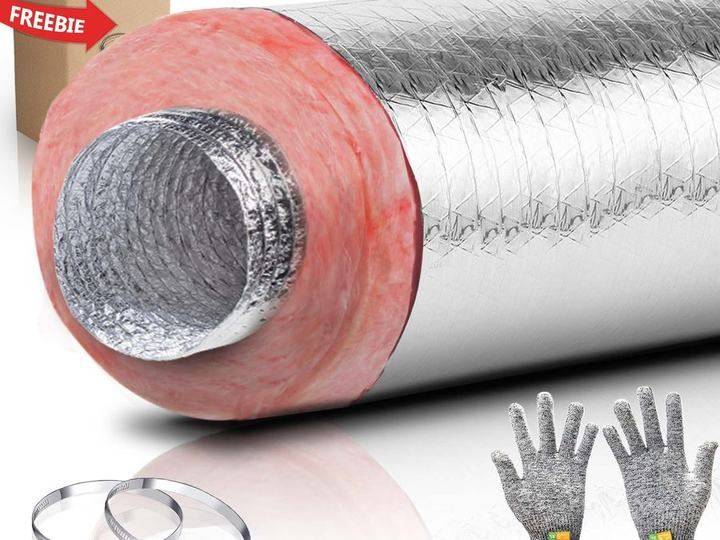
High insulation demand: 50 mm layer for rooftops, exposed runs, cold chain and retrofit projects.
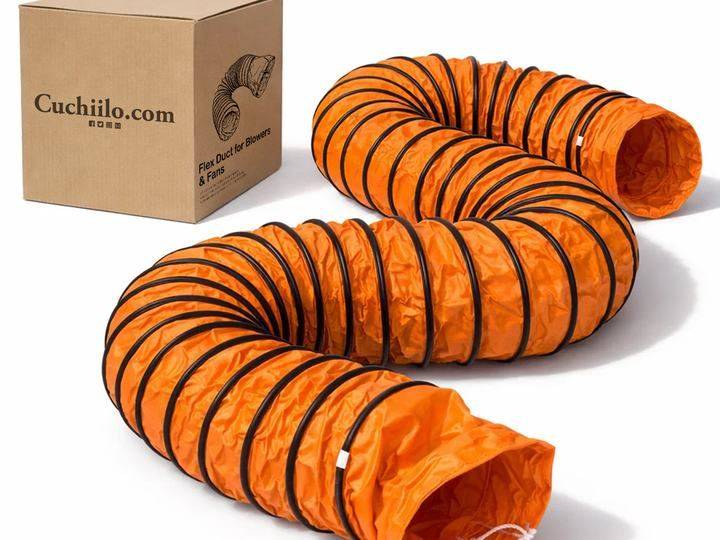
A plain supply and exhaust duct with no insulation, for exhaust, dust collection and temporary ventilation — it provides no thermal insulation.
| Item | R4.2 | R6.0 | R8.0 | Ventilation duct |
|---|---|---|---|---|
| Insulation | Approx. 25 mm | Approx. 38 mm | Approx. 50 mm | None |
| Diameter | 4–12 inch | 4–12 inch | 6–12 inch | On request, commonly 4–20 inch |
| Fixed length | 10 m / roll | 10 m / roll | 10 m / roll | Cut to length on request |
| Jacket | Foil + polyester | Foil + polyester | Foil + polyester | Foil / plastic film |
| Fire Rating | BS476 Pt.7 · Class 1 | BS476 Pt.7 · Class 1 | BS476 Pt.7 · Class 1 | Batch test reports on request |
| Best for distance | Branches 3–10 m | Mains 15–40 m | Long runs / exposed | No thermal insulation |
| Typical use | Branches for guest rooms, offices and shops | Mains for malls and office buildings | Rooftops, cold chain, plant rooms | Exhaust, dust collection, temporary ventilation |
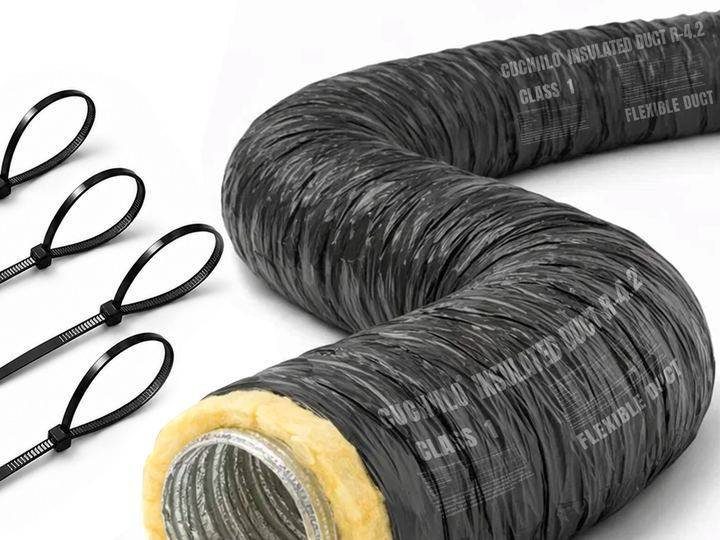
Black film jacket with better UV and water resistance, suited to exposed outdoor and damp environments.
Ask for specs →
Acoustic lining on the bore for supply and exhaust runs with noise limits.
Ask for specs →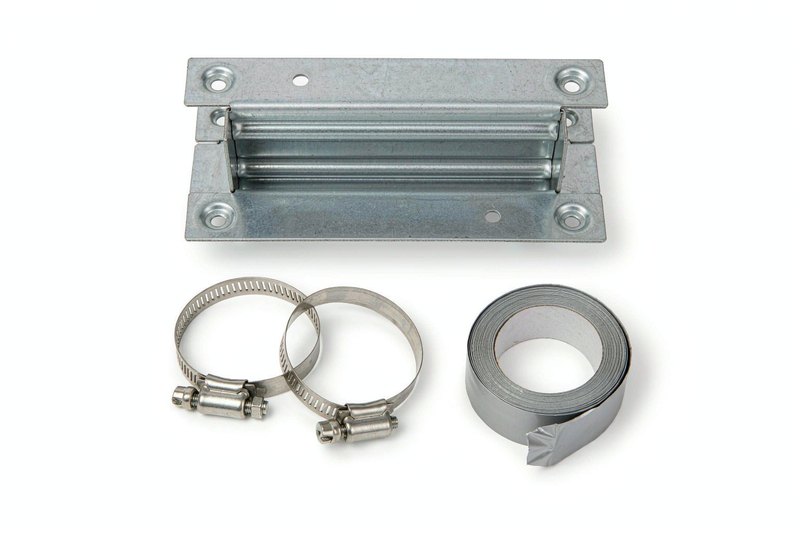
Flanges, clamps and foil tape ship in the same container as the rolls.
Ask for specs →Small supply-to-room temperature difference (standard AC): R4.2 is enough. Wide difference or low-temperature supply: go one grade up.
Branches under 10 m: R4.2. Mains over 15 m: R6. Beyond 30 m or strict terminal requirements: go straight to R8.
Cold rooms, plant rooms and humid southern regions carry high condensation risk — thicken the insulation and press the joints tight.
Higher velocity means a smaller duct but more noise and resistance. We suggest 3–5 m/s for supply branches, 5–7 m/s for mains and up to 8 m/s for exhaust.
