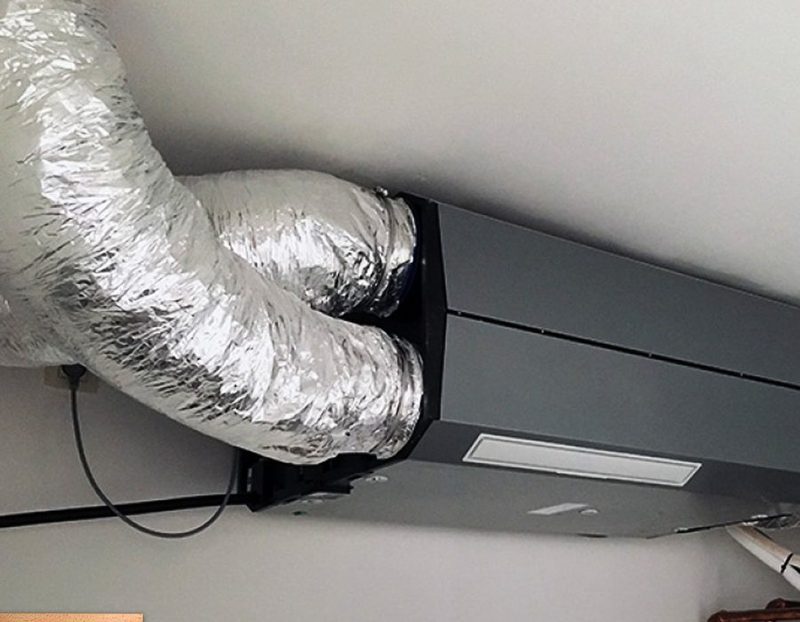
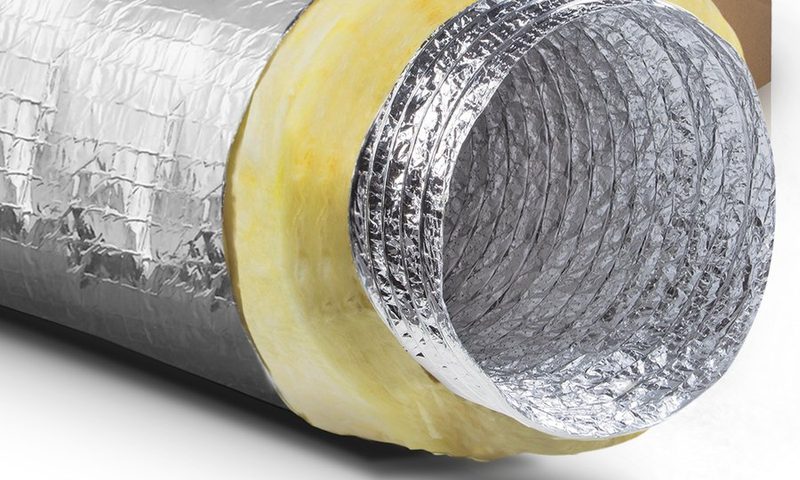
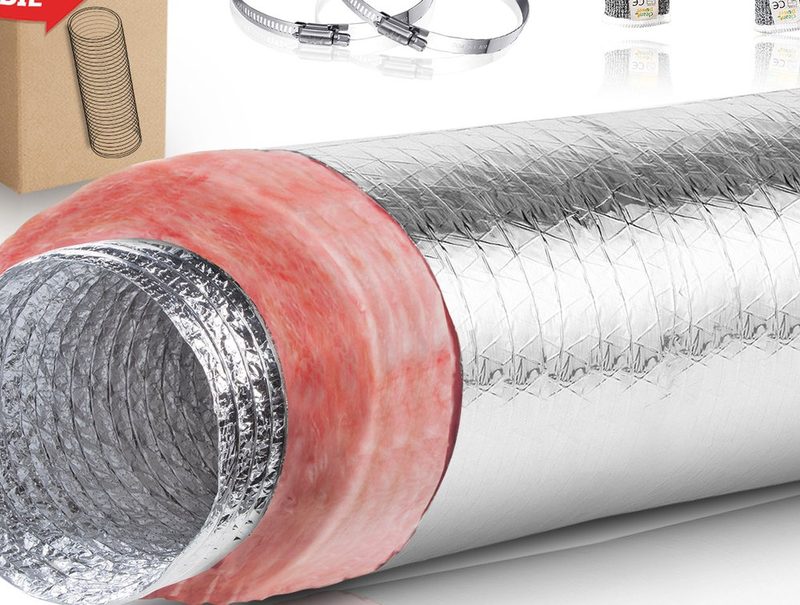
How insulated duct cuts energy use and carbon
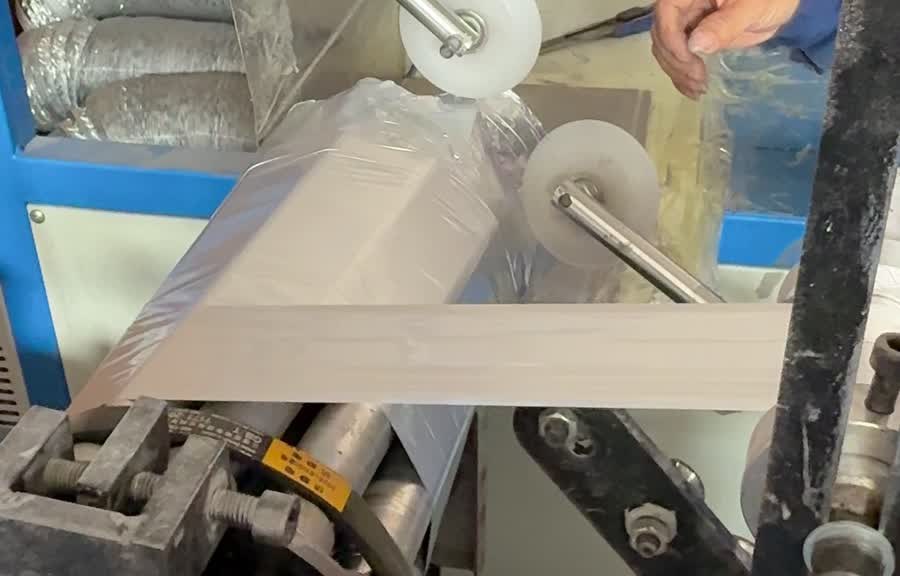
Cooling loss and condensation are two hidden energy costs. Get the insulation right and both unit load and dehumidification come down together.
Cost one: cooling loss
An uninsulated supply duct sheds cooling into the ceiling void. It looks like the terminal is not cold enough, but the unit is simply doing extra work. Getting the insulation right cuts out that wasted cooling.
Cost two: dehumidification
Condensation means water is being pulled out of the air and the unit has to dehumidify, an energy cost few people count. With adequate thickness and an air-tight jacket, condensation stops and the dehumidification load falls with it.
How the carbon saving lands
Most operational carbon in a building comes from air conditioning. Insulation is one of the few measures paid for once that keeps working: the material's own footprint is modest and the energy saved is ongoing. That is why overseas projects weigh R-value more and more.
Workmanship decides the outcome
Even good insulation fails under three kinds of workmanship: joints not pressed, bend radius too tight, and duct ends left open. That is why we ship full rolls, keep site joints to a minimum and seal the ends in packing.
A buyer's checklist
Do not compare unit price alone. Ask three questions:How thick the insulation is, whether the jacket is air-tight, and how joints are made. These three decide your operating cost for the next ten years.