Breathing in American industry: why ducts must breathe
Tighter is not always better. Air-tightness and breathability must balance — if moisture cannot escape, the insulation fails first and cooling performance follows.
'Breathing' is not leaking
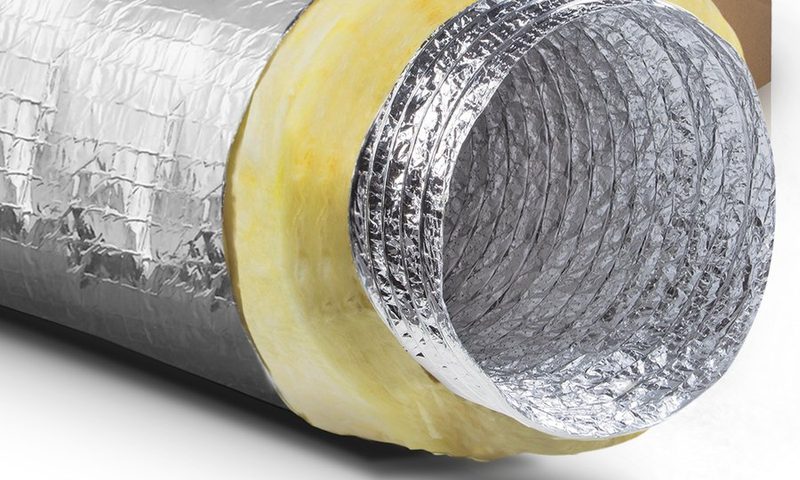
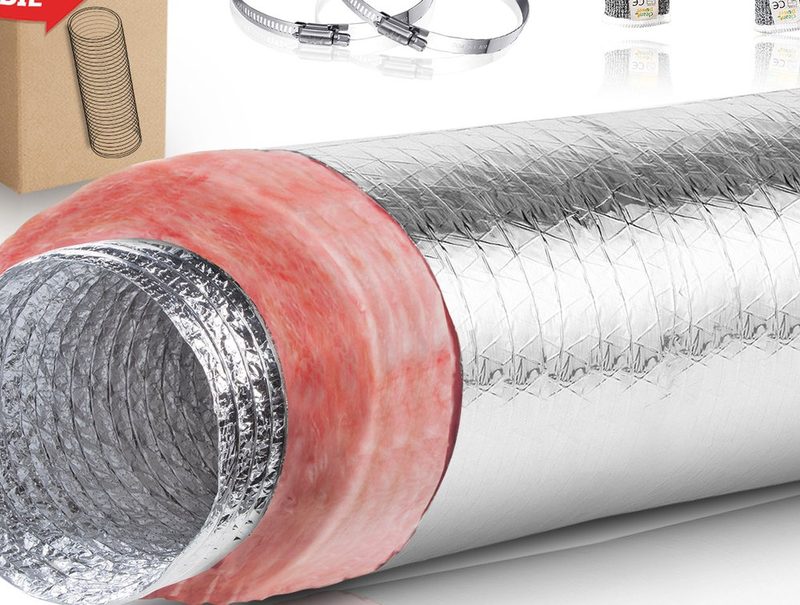
Many people read 'breathing' as the duct being porous and letting air through. It is the opposite: the insulation layer must beClosed-cell, low permeability. Once moisture gets into the glass wool the conductivity rises immediately and the insulation is wasted. Real 'breathing' means the whole system can handle moisture: letting vapour escape where it should, not trapping it inside the insulation.
Where the moisture comes from
Three sources: ① refrigerant inside the duct drops below dew point and the wall condenses; ② duct ends left open during construction draw in humid air; ③ a damaged jacket lets indoor moisture seep in. The first is fixed by insulation thickness; the second and third by workmanship and packing.
Why US projects care more about this
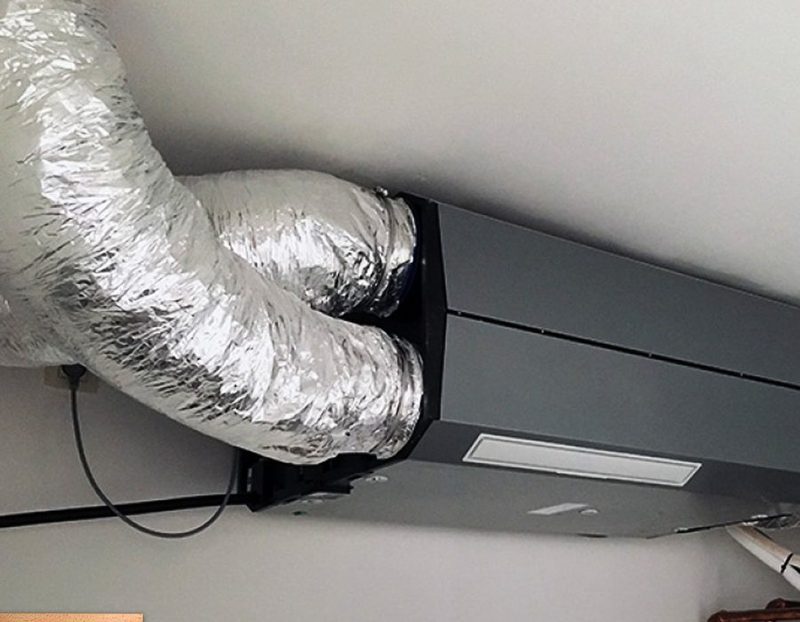
In many North American residential and light commercial projects, the duct runs throughUnconditioned attics and external wall cavities— attics reach 60 °C in summer and still risk condensation in winter. Under that cycle, once the insulation has taken on water it never returns to its factory state. That is why the share of R6/R8 there is far higher than in China.
Reduced to three things
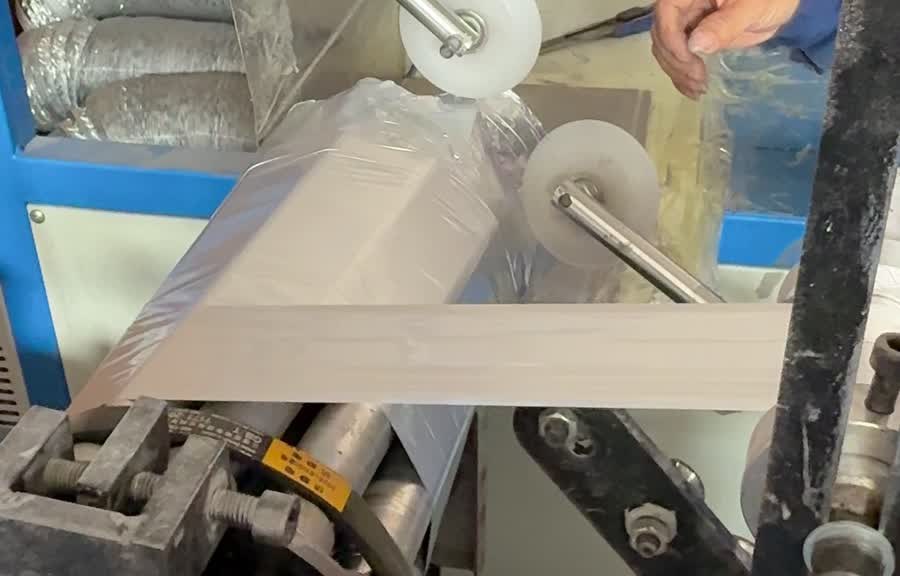
First,Packing: rolls must leave the factory in PE film with sealed ends, never left open on site. Second,Joints: press foil tape over the overlap, not a couple of casual wraps. Third,Bend radius: bend too tightly and the jacket creases and splits, letting moisture in through the crease.
In one line
A duct that breathes isInsulation that does not sweat, a jacket that does not leak, a system that drains moisture. Get these three right and only then does R4.2 versus R6 matter.